 Search within the site
Reducing CO2 Emissions through Products and Solutions
Initiatives related to Climate Change
Products that Reduce Konica Minolta's Product Lifecycle CO2 Emissions
Reducing CO2 Emissions During Product Use
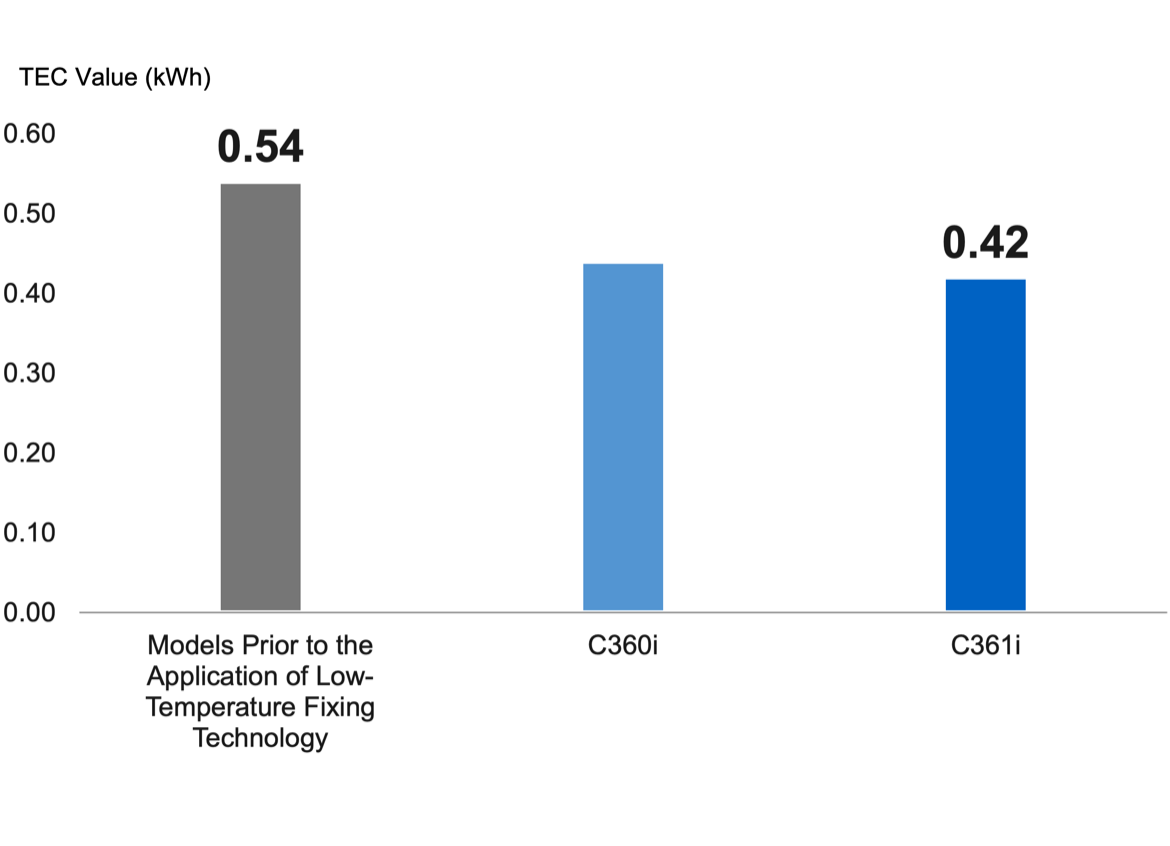
Multifunction printers require heating to fix toner to paper, making it important to reduce power consumption during fixing in order to lower overall power consumption. Konica Minolta independently developed "Simitri V Toner," which fixes at a lower temperature, reducing the fixing temperature by approximately 15°C compared to conventional models. The successor bizhub C361i series, released in 2024, also uses this low-temperature fixing technology, reducing the TEC value* by approximately 22% compared to products introduced before this technology was applied.
*TEC value (Typical Electricity Consumption): A value representing electricity consumption when a multifunction printer is operated for one week under specified conditions.
Reducing CO2 Emissions in the Material Procurement Stage
To ensure the effective use of resources, Konica Minolta is advancing initiatives to make products smaller and lighter, as well as to promote recycling. These initiatives not only reduce the use of natural resources but also reduce CO2 emissions from the procurement of new materials.
Please refer here for initiatives related to the effective use of resources in products and solutions.
Products that Contribute to Reducing Customers' CO2 Emissions
Products and Solutions that Contribute to Avoided CO2 Emissions
Konica Minolta not only reduces product lifecycle CO2 emissions but also increases avoided CO2 emissions for customers and society.
Konica Minolta calculates avoided CO2 emissions with reference to the WBCSD's "Guidance on Avoided Emissions v2.0." Details of the calculation methodology are provided below.
Other Products and Solutions Contributing to CO2 Reductions
Gas Monitoring Solution to Prevent Leaks of GHGs (Greenhouse Gases)
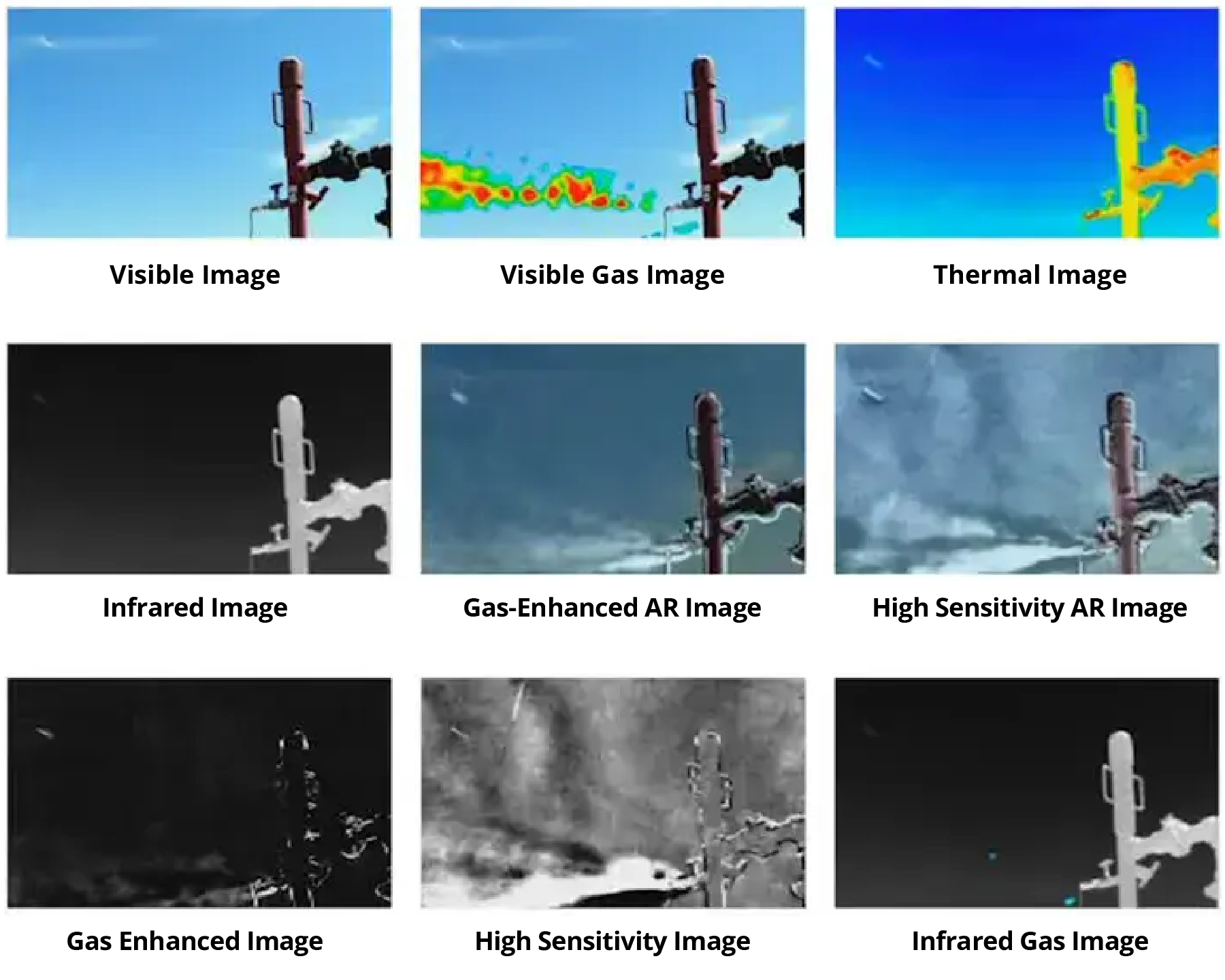
Konica Minolta’s "Gas Monitoring Solution" applies its core lens design and image processing technologies to visualize hydrocarbon gases with high global warming potential. The system can quickly and easily identify leak locations and measure leak quantities, even in environments where it is difficult to use conventional gas detectors, such as in strong winds, at height, or at high-temperature facilities.
By providing this solution to support methane emissions reduction initiatives being undertaken by oil and gas operators worldwide, Konica Minolta contributes to mitigating the impact of gas leaks on climate change.
Reducing Energy Consumption in the Inkjet Textile Printing Process with In-Line Pretreatment Ink for Reactive Dyes
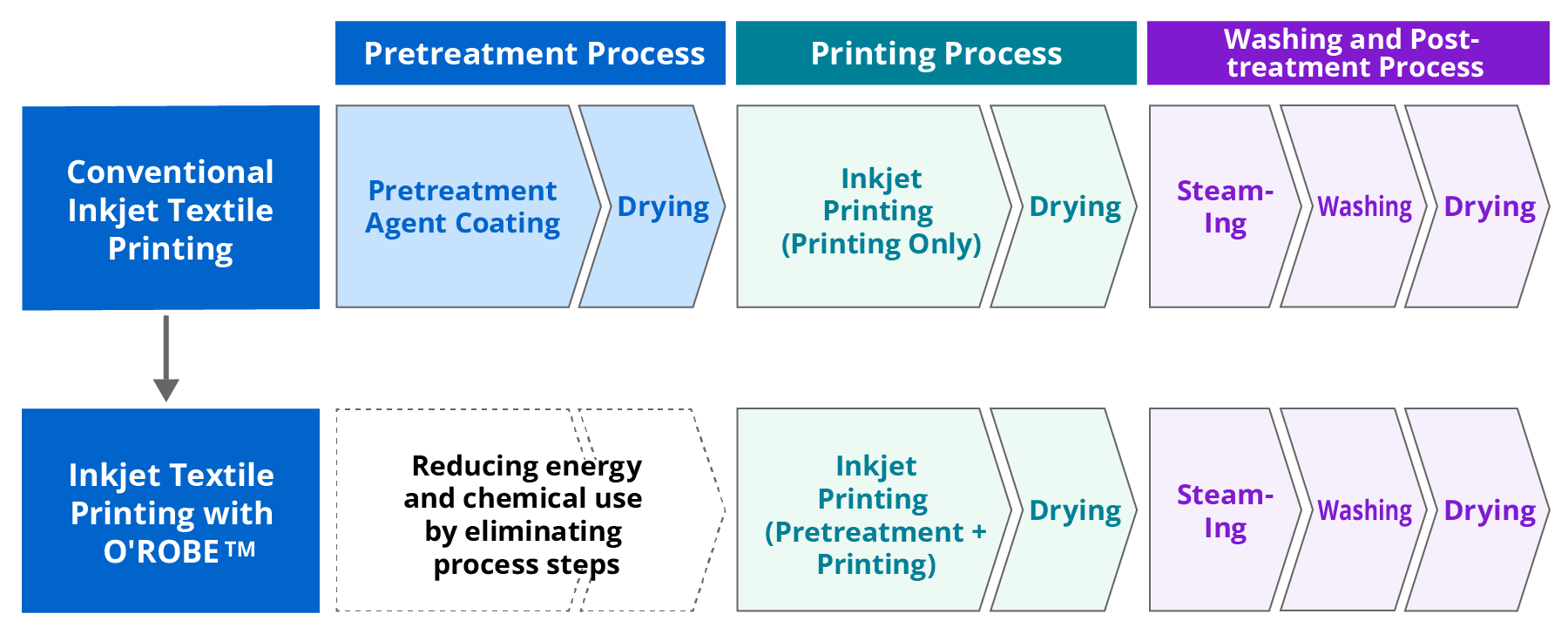
Konica Minolta launched the in-line pretreatment ink "O'ROBE" in 2025. The ink can be applied simultaneously with reactive dye ink, in only the required amount and only where needed. This eliminates the need for a drying process after coating, significantly reducing energy consumption, including electricity and gas. Additionally, significantly reducing the amount of pretreatment chemicals used also contributes to reducing CO2 emissions associated with the procurement of these chemicals.
For information on reducing chemical use, please also refer to this page:
Examples of Technology Development Aimed at Contributing to Future CO2 Reductions
Technology Supporting the Mass Production and Widespread Adoption of Perovskite Solar Cells
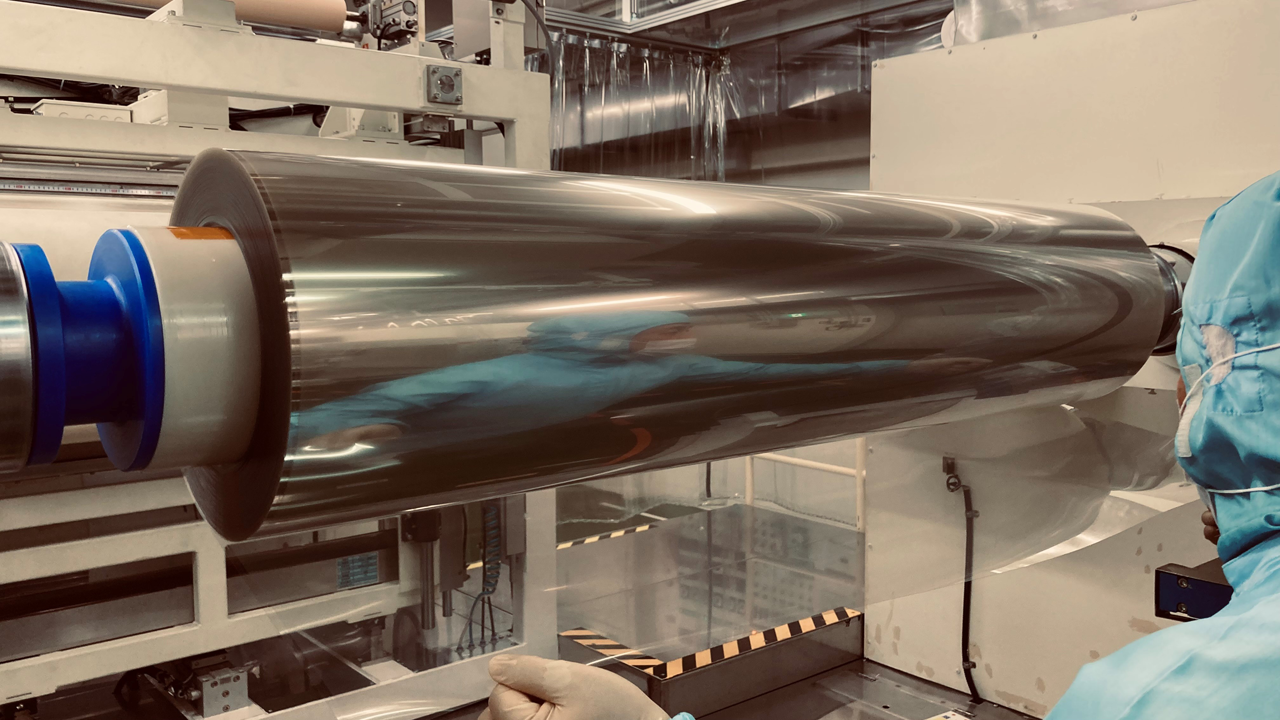
Perovskite solar cells are lightweight, flexible, and highly efficient, allowing them to be installed in locations where conventional silicon solar cells could not be placed, and are expected to serve as a solution for climate change mitigation. Leveraging technologies cultivated in its Performance Materials business, Konica Minolta can supply highly water-resistant barrier films that protect moisture-sensitive perovskite materials and support extended product lifespans. Furthermore, by combining inkjet heads that enable segmented coating of the perovskite power generation layer with hyperspectral imaging inspection that enables non-contact visualization of coating conditions (coating unevenness and film thickness), Konica Minolta will contribute to ensuring stable mass production and promoting widespread adoption.