
 Search within the site
Climate Change
Basic Concept
Konica Minolta has identified "Addressing Climate Change" as one of its material issues. Our basic strategy is to recognize changing social needs associated with the transition to a decarbonized society from both opportunity and risk perspectives, while continuing to grow our businesses. We have positioned this strategy as our Long-Term Environmental Vision and set up initiatives accordingly.
Long-Term Environmental Vision: Addressing Climate Change
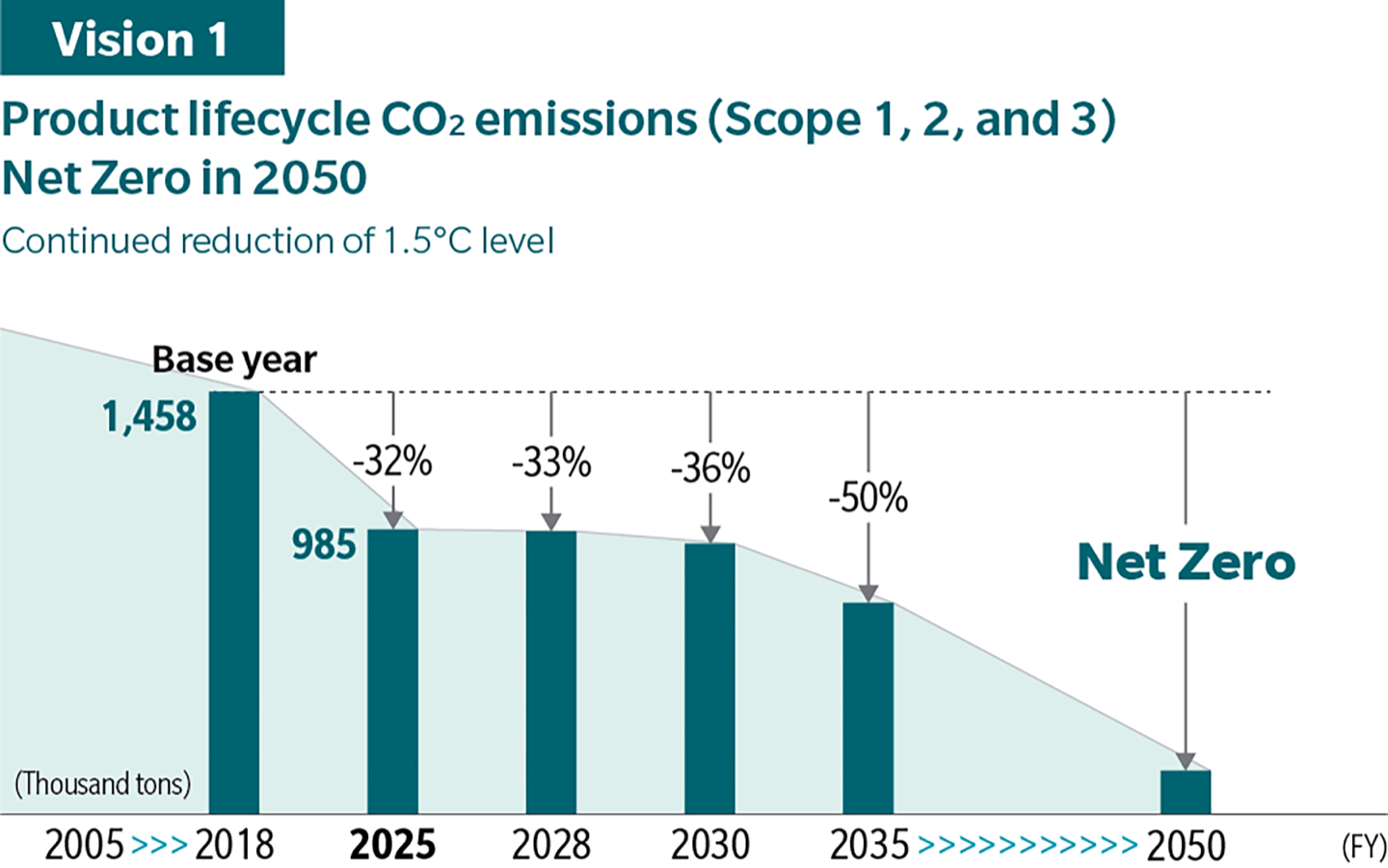
CO2 Emissions in the Product Lifecycle
Konica Minolta aims to achieve net-zero product lifecycle CO2 emissions (Scope 1, 2, and 3) by 2050.
*Product lifecycle CO2 emissions include Scope 1 and 2 emissions of the Konica Minolta Group, as well as major Scope 3 emissions (procurement, product distribution, product use, and product disposal).
Cumulative Avoided CO2 Emissions Outside the Product Lifecycle
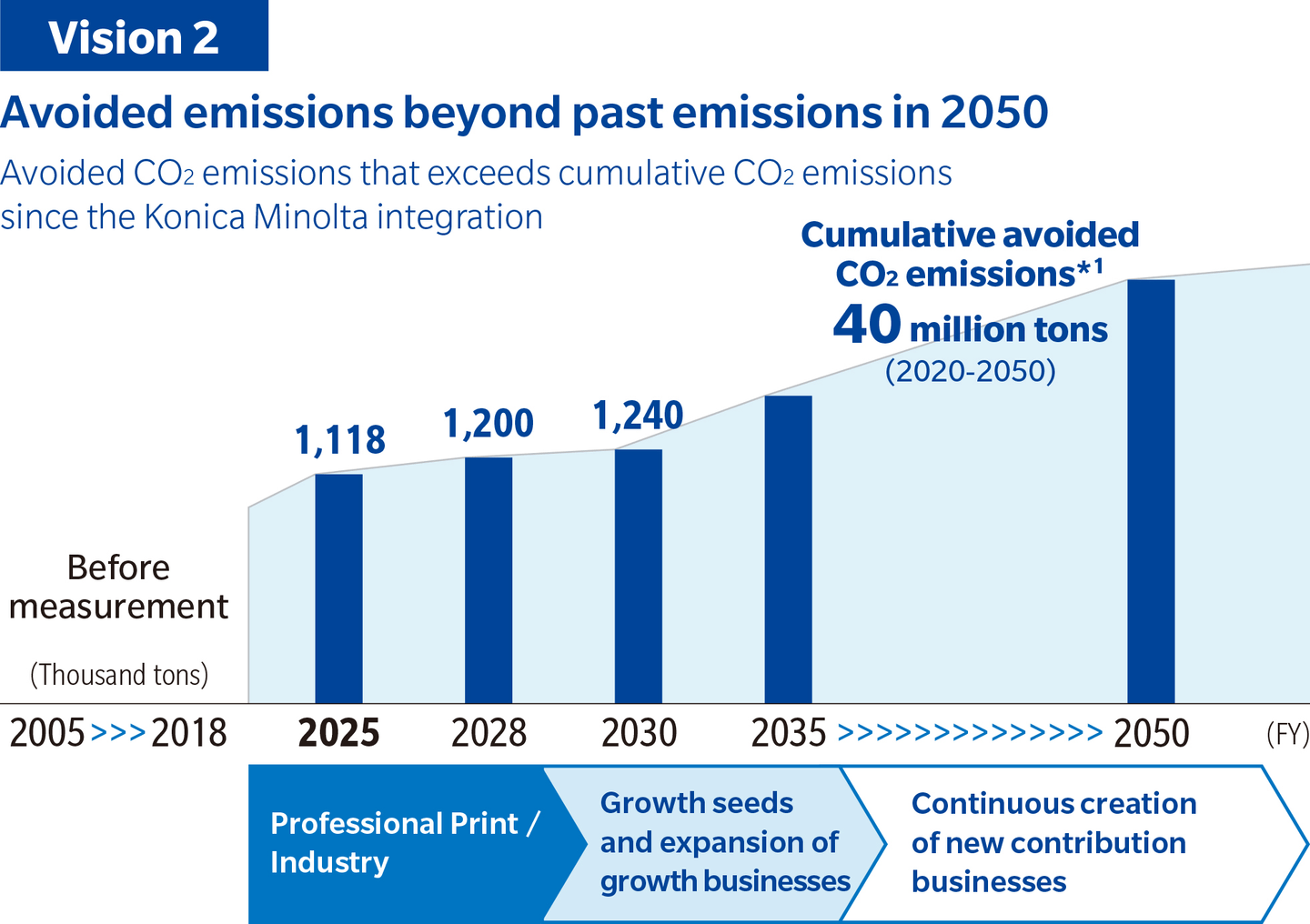
Since the management integration, Konica Minolta’s business operations have been generating CO2 emissions. While we are moving toward our net-zero goal for product lifecycle CO2 emissions by 2050, we recognize that our cumulative CO2 emissions have had a non-negligible impact on climate change.
Therefore, heading toward 2050, we aim to create and increase cumulative avoided CO2 emissions* that exceed our cumulative CO2 emissions since the management integration. By expanding growth businesses that contribute to decarbonization and the circular economy for society and our customers, we will generate and increase our positive impact on customers and society, leading to enhanced business competitiveness.
*The amount contributed to customer CO2 reductions outside of Scope 1, 2, and 3 compared to a baseline scenario where Konica Minolta products were not introduced.
Strategy, Goals and Results
Konica Minolta has been working toward the targets set forth in the Medium-Term Environmental Plan 2025 as milestones under its Long-Term Environmental Vision. In FY2025, its avoided CO2 emissions exceeded its product lifecycle CO2 emissions. Under the new medium-term management plan, Corporate Plan 2026-2028, which began in FY2026, Konica Minolta has established new targets for 2028, 2030, and 2035 to advance planned CO2 reductions.
Main KPIs
(1) Product Lifecycle CO2 Emissions (Scope 1, 2, and 3)
Indicators and Targets of the Medium-Term Management Plan (2023–2025)
We achieved reductions exceeding the targets set under the Medium-Term Environmental Plan 2025 (Target: 23% reduction / 800 thousand tons compared to FY2018; Result: 33% reduction / 699 thousand tons). In Scopes 1 and 2, we exceeded our targets due to progress in introducing renewable electricity at our facilities, as well as greater-than-expected effects from energy-saving activities and facility optimization at major sites (Target: 30% reduction / 250 thousand tons compared to FY2018; Result: 38% reduction / 227 thousand tons).
We also exceeded targets in Scope 3 (Target: 18% reduction / 550 thousand tons compared to FY2018; Result: 30% reduction / 472 thousand tons). Compact/lightweight designs and effective utilization of recycled resources in procurement (Category 1) contributed significantly. In logistics (Category 4), air freight was heavily used through 2024 due to prolonged transit times caused by conflicts, but in 2025, market inventory stabilized, allowing us to reduce air freight usage.
Under the Medium-Term Environmental Plan 2025, to ensure emissions reductions across Scopes 1, 2, and 3, we designated "CO2 Reduction via Specific Measures" as a key management indicator, achieving a cumulative reduction of 113 thousand tons through initiatives from FY2023 to FY2025 (Target: 110 thousand tons). "CO2 Reduction via Specific Measures" was set as a non-financial metric in our executive compensation scheme for medium-term performance-linked stock compensation*.
*At the Compensation Committee meeting held in March 2026, a revision to the executive compensation system for executive officers was approved.
Indicators and Targets under Medium-Term Management Plan "Corporate Plan 2026-2028"
In line with the SBTi targets validated in July 2024, we are revising calculation scopes and methods under the Corporate Plan 2026-2028 starting in FY2026.
Changes in Calculation Scope
We have added the product disposal stage to Scope 3, which previously covered procurement, logistics, and product use stages. Additionally, mainly for Scopes 1 and 2, emissions from sites that were predicted at the time of SBTi target validation (as of July 2024) not to remain within the Group's consolidated scope through 2030 have been excluded.
Changes in Calculation Method
For both the FY2018 base year and actual emission results, we are standardizing emission factors using internationally recognized and publicly available data sources. This aims to clarify the reduction impact of initiatives and enhance comparability. Consequently, while absolute values for product lifecycle CO2 emissions will change, this does not alter our validated SBTi targets (Scope 1, 2, and Scope 3 targets).
We have set new targets to reduce emissions by 33% compared to FY2018 levels (to 980 thousand tons) by the end of FY2028, and by 36% (to 940 thousand tons) by 2030. The breakdown includes targets for Scopes 1 and 2 to achieve a 45% reduction compared to FY2018 (180 thousand tons) by FY2028 and 51% (160 thousand tons) by 2030; and Scope 3 targets to achieve a 29% reduction compared to FY2018 (800 thousand tons) by FY2028 and 31% (780 thousand tons) by 2030, maintaining reductions aligned with the following transition plan.
Heading toward 2035 and 2050, we will continue reductions aligned with the 1.5°C target and advance measures toward achieving net zero by 2050.
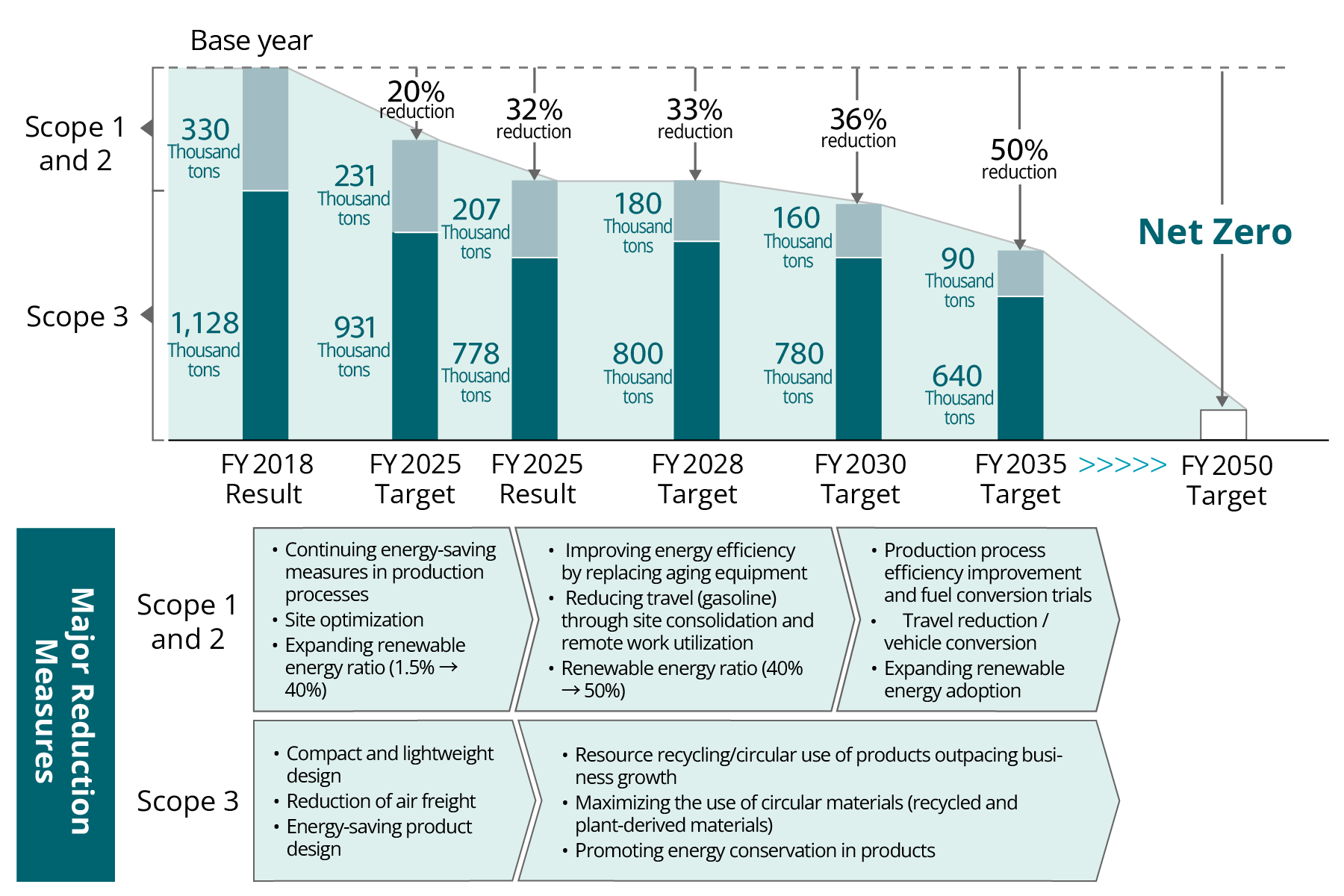
*FY2025 targets are projected values following the revision of calculation method and scope.
(2) Expansion of Avoided CO2 Emissions
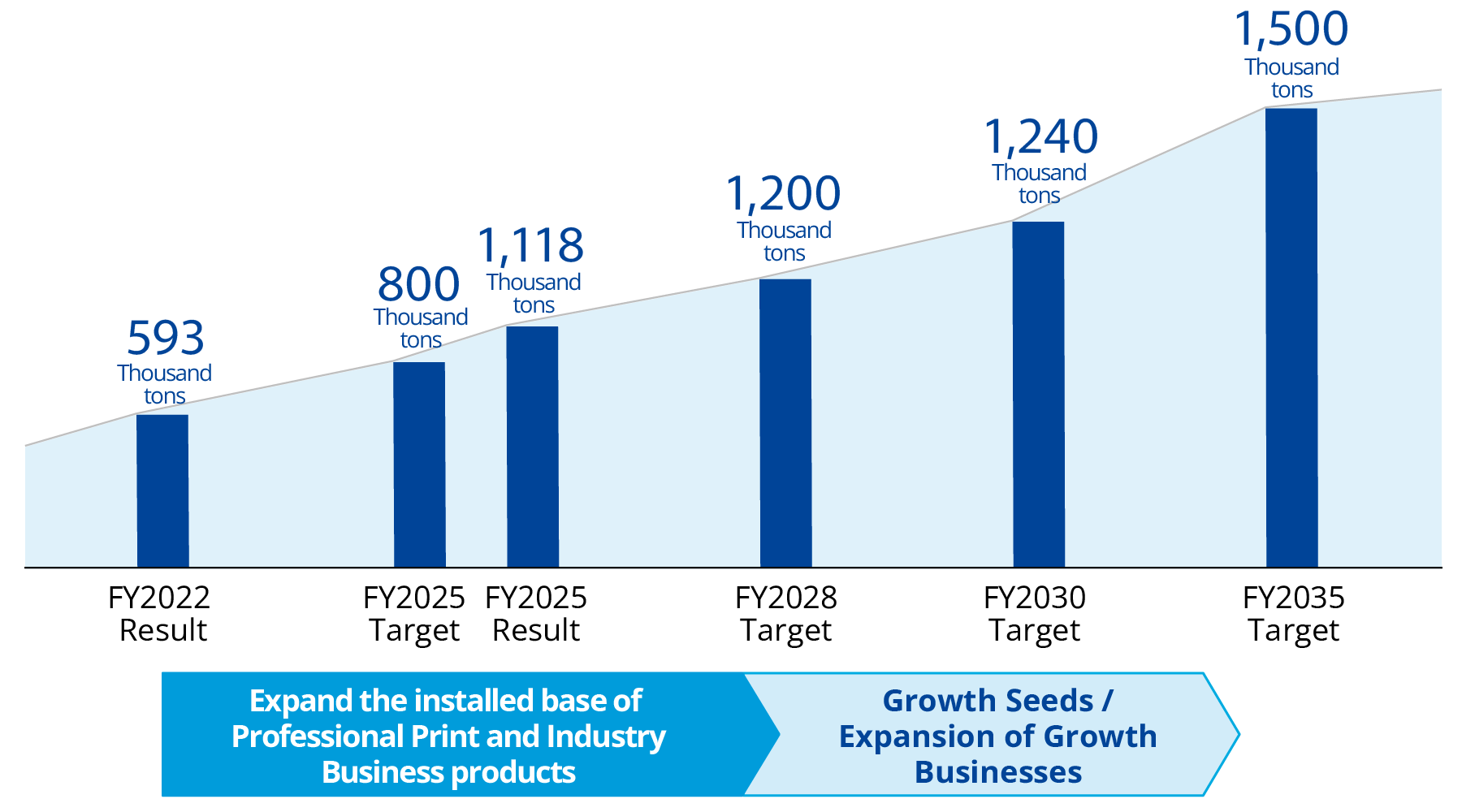
We achieved avoided CO2 emissions exceeding the target set under the Medium-Term Environmental Plan 2025 (Target: 800 thousand tons or more; Result: 1,118 thousand tons).
In the Professional Printing business, further growth in the installed base of digital printing systems that have contributed to increasing avoided CO2 emissions helped lower CO2 emissions during raw material production by reducing plates and test-print paper for customers. In addition, starting in FY2025, we clarified, quantified, and added avoided CO2 emissions from materials and component products in the Industry business. Through these efforts, we identify the value that our products contribute across customer value chains and leverage this in our strategies for further expansion.
Konica Minolta calculates its avoided CO2 emissions with reference to the WBCSD's "Guidance on Avoided Emissions v2.0." Detailed calculation methods are provided below.
We aim to reach avoided CO2 emissions of 1,200 thousand tons or more in FY2028 and 1,240 thousand tons or more in FY2030. We will continue further expansion by growing existing businesses and leveraging growth areas such as perovskite solar cell solutions and intelligent recycled materials.
Initiatives
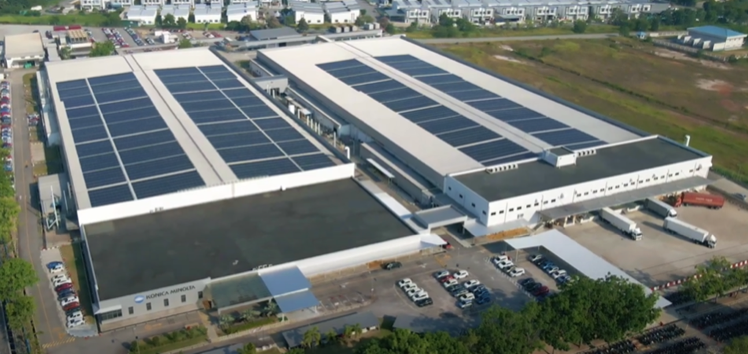 Production
To promote societal decarbonization, Konica Minolta sets medium- to long-term targets for expanding renewable energy usage and continuously increases its use of renewable energy.
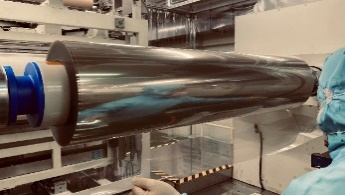 Products/Solutions
Konica Minolta continuously creates products that reduce lifecycle CO2 emissions as well as products and solutions that increase avoided CO2 emissions in society.
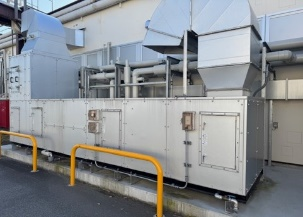 Production
As a manufacturer, Konica Minolta views improving energy efficiency in production processes as an important responsibility and carries out planned reductions.
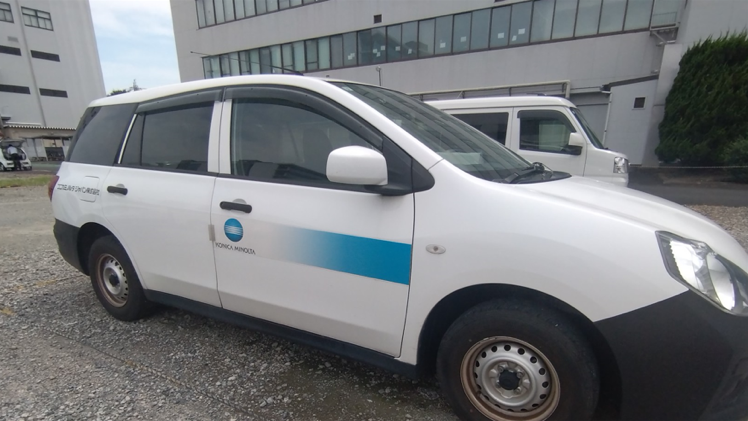 Sales
Sales
Within Konica Minolta’s sales and service structure for MFPs and digital printing systems, we strive to reduce our own CO2 emissions through eco-driving and other measures.
 Logistics
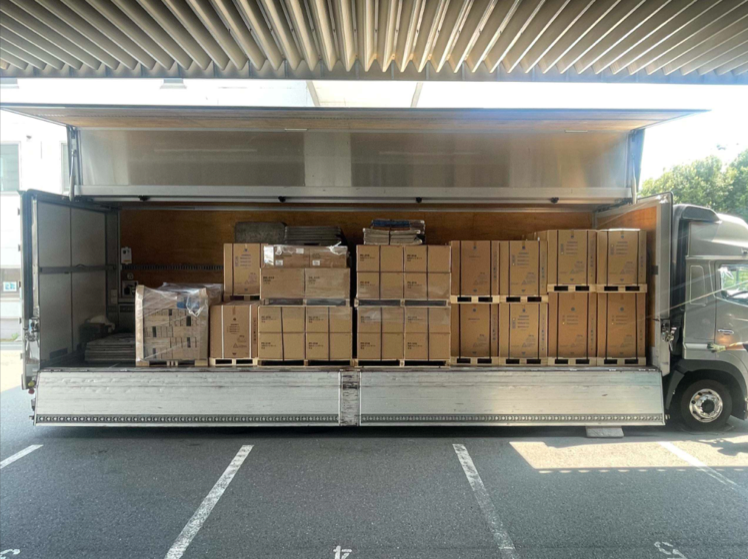
Konica Minolta operates a global supply chain and considers it essential to manage and reduce the environmental impact from its logistics, and continually implements appropriate initiatives.
 Adaptation
In addition to driving the climate transition, Konica Minolta undertakes initiatives to ensure its operational sustainability when climate impacts materialize.